By
By 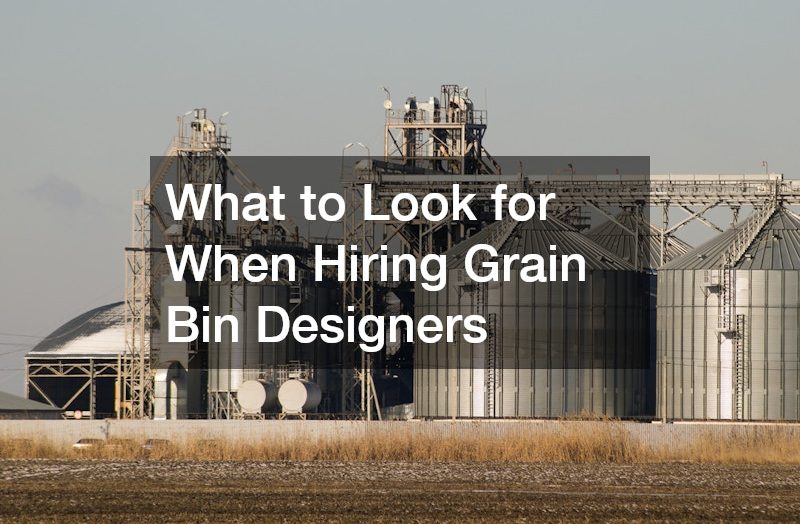
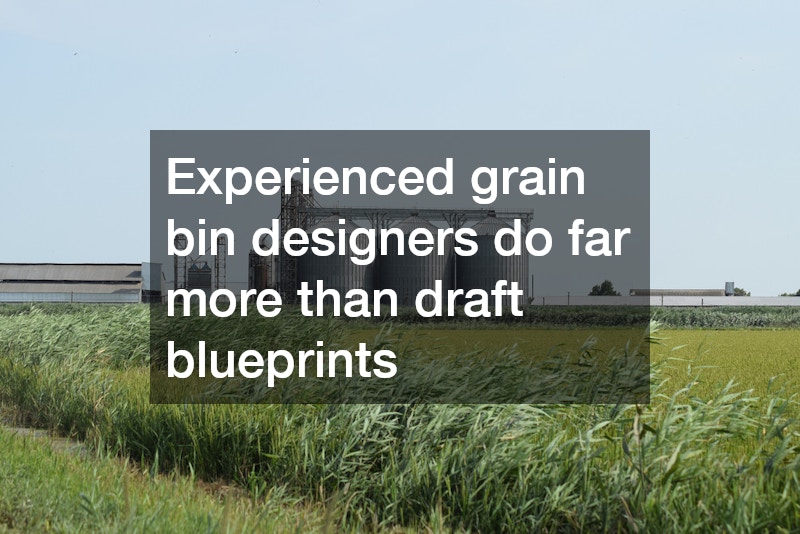
Hiring the right professionals to design your grain storage system is one of the most important decisions you can make for your agricultural operation. Whether you are expanding your farm, upgrading outdated storage, or building a new facility from the ground up, the expertise behind the design will directly affect efficiency, safety, and long-term profitability. Experienced grain bin designers do far more than draft blueprints—they help ensure structural integrity, proper airflow, compliance with regulations, and scalability for future growth. Knowing what to look for when selecting the right team can save you from costly mistakes and operational headaches down the road.
Experience and Technical Expertise
The first and most critical factor to consider when hiring grain bin designers is their level of experience. Designing grain storage systems requires specialized knowledge of agricultural engineering, material flow dynamics, structural loads, and environmental factors. An experienced designer understands how grain behaves under different conditions, including moisture changes, temperature fluctuations, and long-term storage pressures.
Look for professionals who have a proven track record in agricultural storage projects similar to yours. Ask about past projects, request references, and review case studies if available. Designers who have worked with farms of various sizes are often better equipped to anticipate challenges and offer customized solutions.
Technical expertise also includes knowledge of ventilation systems, drying systems, and load-bearing calculations. Improper airflow design, for example, can result in spoilage, mold growth, or uneven drying. Skilled grain bin designers will calculate fan capacity, duct placement, and aeration requirements to ensure grain quality is maintained throughout the storage period.
Additionally, confirm that the designers are familiar with modern materials and construction techniques. Advances in steel fabrication, corrosion resistance, and foundation engineering can significantly extend the life of your bins. A knowledgeable team stays updated on industry standards and integrates current best practices into their designs.
Compliance, Safety, and Structural Integrity
Grain storage facilities must meet strict safety and building standards. When evaluating grain bin designers, make sure they understand local, state, and federal regulations governing agricultural structures. This includes zoning requirements, building permits, wind load ratings, snow load considerations, and OSHA safety guidelines.
Structural integrity is not an area where shortcuts can be taken. Grain bins hold tremendous weight, and structural failure can result in significant financial loss and serious injury. Designers should perform detailed load calculations, taking into account not only the weight of stored grain but also environmental stressors such as wind and seismic activity.
Safety features should also be integrated into the design from the beginning. This may include proper ladder systems, fall protection anchor points, explosion venting, and safe access for inspection and maintenance. Experienced grain bin designers will prioritize safe entry points, proper unloading systems, and dust management solutions to reduce hazards.
Insurance providers and lenders may also require engineering certifications or stamped drawings from licensed professionals. Before hiring, verify that the designers have appropriate credentials and liability coverage. This provides additional assurance that your project meets recognized engineering standards and protects your investment.
Customization, Scalability, and Communication
Every farming operation is different. Storage needs vary based on crop type, harvest volume, climate conditions, and long-term growth plans. The best grain bin designers take the time to understand your specific operation before recommending a solution.
Customization goes beyond simply choosing bin size. It involves site layout planning, truck flow design, integration with existing equipment, and consideration of future expansion. For example, positioning bins to allow easy addition of new units later can save substantial costs if your storage capacity needs increase.
Scalability is especially important for growing operations. Designers should be able to create a master plan that accommodates phased construction. Even if you are starting with a single bin, the layout should allow for additional bins, conveyors, or drying systems without major redesign.
Clear and consistent communication is another essential quality. The design process involves coordination between engineers, contractors, equipment suppliers, and farm owners. Reliable grain bin designers provide detailed drawings, realistic timelines, and transparent cost estimates. They should also be responsive to questions and willing to explain technical details in understandable terms.
Pay attention to how well they listen during initial consultations. A designer who asks thoughtful questions about your harvest cycles, grain types, and operational bottlenecks is more likely to deliver a functional and efficient storage system.
Choosing the right professionals to design your storage facility is a decision that impacts your farm for decades. Skilled grain bin designers combine engineering knowledge, regulatory awareness, and practical agricultural experience to create systems that protect both your grain and your investment. By focusing on experience, safety compliance, customization, and clear communication, you can confidently select a team that aligns with your operational goals.
Taking the time to carefully evaluate your options ensures that your storage system is not only structurally sound but also efficient, scalable, and built to last. With the right design partner, your grain storage infrastructure can support productivity, preserve crop quality, and contribute to long-term farm success.