 By
By 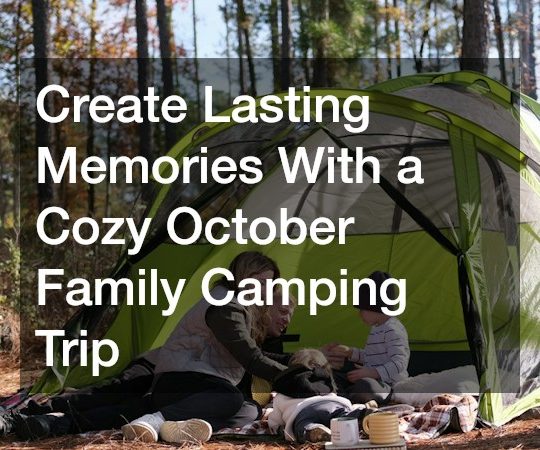
October is a wonderful time to take the family camping. Colorful foliage, crisp mornings, cool evenings, and fewer summer crowds can make an autumn getaway feel especially memorable. Whether your family enjoys hiking wooded trails, roasting marshmallows, fishing on a quiet lake, or relaxing around a campfire, a little planning can help everyone enjoy the experience. Fall camping does require extra attention to changing temperatures, shorter daylight hours, and unpredictable weather, but those details are easy to work into your preparations. By choosing a suitable destination, preparing your vehicle and equipment, packing for the season, and planning activities for different ages, you can create a cozy outdoor adventure that brings the family closer together.

Choose a Family-Friendly Destination With Autumn Scenery
The campground you choose can shape the entire trip, so start by considering what your family wants from an October getaway. Some families prefer wooded campsites surrounded by colorful leaves, while others enjoy lakeside locations, mountain views, or campgrounds near small towns with seasonal festivals. Look for a destination that offers a comfortable balance of outdoor recreation, convenient facilities, and activities that suit everyone’s interests. If you are traveling with younger children or relatives who prefer shorter walks, prioritize campgrounds with accessible trails, nearby restrooms, and family-friendly amenities.
Check the campground’s seasonal schedule before making a reservation. Some locations reduce services after summer, limit access to certain facilities, or close entirely when colder weather arrives. Review campsite dimensions, quiet hours, fire regulations, pet policies, and available hookups if you plan to bring an RV. Read recent visitor reviews and check whether the campground provides drinking water, showers, picnic tables, and fire rings during October. Having a clear understanding of what is available helps you pack appropriately and avoid surprises after arrival.
Families traveling with recreational vehicles may also benefit from contacting local RV services while planning their route. Local providers can be useful sources of information about seasonal vehicle preparation, nearby facilities, and services available around popular camping destinations.
Prepare Your Boat for a Fall Outdoor Adventure
If your family enjoys spending time on the water, October camping can offer a peaceful opportunity to include boating in your itinerary. Lakes and rivers may be quieter than they are during peak summer months, allowing families to appreciate the autumn scenery from a different perspective. Before planning a boating excursion, research local regulations, seasonal launch schedules, weather conditions, and any restrictions that apply to the body of water you intend to visit. Cold water temperatures can make boating more hazardous, even when the afternoon air feels comfortable, so everyone should wear an appropriately fitted life jacket and follow safe boating practices.
Check your boat’s condition well before departure. Inspect essential safety equipment, your boat lift, navigation lights, fuel systems, batteries, and other components according to the manufacturer’s guidance. If you notice unusual engine noises, steering problems, damaged equipment, or other concerns, arrange an inspection before taking the boat out. A qualified boat repair shop can help address mechanical issues and explain what needs attention before the next outing.
Check Your RV Before Leaving Home
An RV can provide extra comfort during a fall camping trip, particularly when nighttime temperatures drop. However, the vehicle should be checked carefully before a longer journey. Inspect tires for appropriate pressure and visible damage, test exterior lights, and review fluid levels and battery condition according to the owner’s manual. Check the operation of essential systems, including heating, ventilation, plumbing, and electrical equipment. If your RV has been stored for a while, give yourself enough time to identify maintenance needs before loading supplies and heading out.
Heating deserves special attention during October. Test the system according to the manufacturer’s instructions, and make sure smoke and carbon monoxide alarms are working properly. Never use a charcoal grill, outdoor cooking stove, or fuel-burning heater inside an RV or enclosed tent unless the equipment is specifically designed and approved for that use. Maintain appropriate ventilation and follow all safety directions for any heating appliance. A safe, comfortable sleeping environment helps everyone rest well and enjoy the next day’s activities.
If you discover a problem with your vehicle’s engine, brakes, electrical systems, or other major components, arrange an inspection rather than hoping the issue will resolve itself on the road. An experienced RV repair shop can assess the concern and help you determine whether the vehicle is ready for travel. Keep maintenance records and emergency contact information accessible, and review your route for fuel stops and suitable places to pull over.
Organize Transportation for Extra Camping Equipment
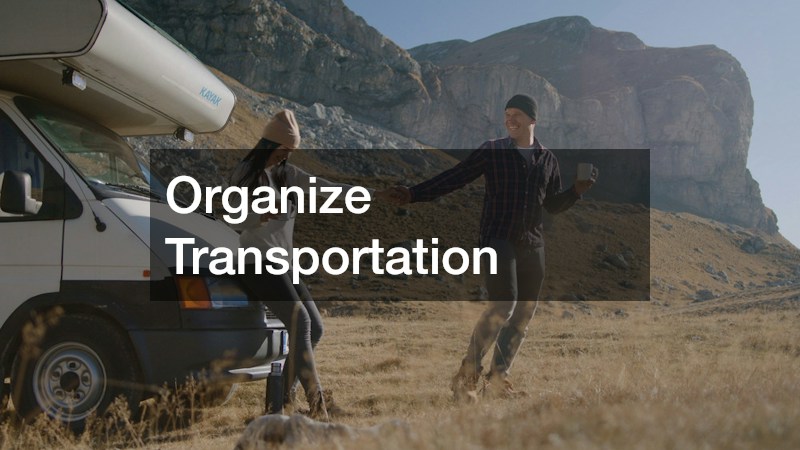
Family camping trips often involve more equipment than expected. In addition to clothing and sleeping gear, you may want to bring bicycles, fishing supplies, folding chairs, sports equipment, kayaks, or extra coolers. Before packing, decide which activities are most important and avoid bringing items that are unlikely to be used. Organize the remaining gear into categories so you can load it efficiently and locate everything when you reach the campsite. Keep frequently needed items, such as rain jackets, snacks, and first-aid supplies, easy to access during the drive.
Some families need additional space to transport bulky equipment, especially when traveling with several children. Depending on the vehicle, a suitable RV utility trailer may provide room for gear that would otherwise crowd the passenger area or living space. Before towing any trailer, verify that the tow vehicle and hitch are rated for the combined load, and follow the manufacturer’s limits for cargo and towing capacity. Distribute weight correctly, secure all belongings, check lights and tires, and confirm that the trailer is suitable for the route you intend to travel.
Plan to secure equipment before leaving each campsite, especially if you move between locations during the trip. Keep loose items from rolling around inside the vehicle, and avoid overloading storage compartments. If you bring bicycles or other equipment on an exterior rack, check that they are firmly attached and do not block lights or license plates. A well-organized load makes it easier to set up camp, reduces the time spent searching for supplies, and leaves more room for everyone to relax during the journey.
Arrange Vehicle Maintenance Before Your Departure
Even a relatively short autumn road trip deserves basic vehicle preparation. Check the condition of tires, windshield wipers, lights, brakes, and the battery, and make sure the vehicle’s maintenance schedule is current. Cool mornings, rain, fallen leaves, and earlier sunsets can create challenging driving conditions, especially on unfamiliar rural roads. Carry an emergency kit with a flashlight, first-aid supplies, water, basic tools, reflective warning equipment, and any items recommended for your vehicle. Review roadside assistance coverage and make sure your phone is charged before starting the drive.
If you will be towing an RV or carrying heavy camping equipment, consider how the added weight affects handling, braking, and fuel consumption. Follow your vehicle’s towing limits and confirm that the hitch, connections, and safety equipment are appropriate. Check the route for steep grades, low-clearance structures, road closures, and restrictions that could affect a larger vehicle. Allow additional travel time so you can drive at a safe pace instead of rushing to reach the campsite before dark.
When maintenance concerns arise, contact a provider offering local RV repair before the trip rather than waiting until you are far from home. A pre-travel assessment may help identify issues that are easier to address in advance. Keep the vehicle’s manual and important service information accessible, and explain any unusual sounds, warning lights, or performance changes when arranging an inspection. Taking these precautions can help your family travel with greater confidence and focus on enjoying the destination rather than worrying about avoidable mechanical problems.
Consider a New Boating Experience for the Family
For families who love the water, an October getaway may inspire new boating interests or provide an opportunity to learn more about different types of boats. Even if you do not plan to purchase a vessel, visiting a marina or a boating center near your camping destination can be an interesting addition to the trip, provided it fits your schedule. Children may enjoy learning how different boats are used for fishing, recreation, and exploring local waterways. Keep the experience relaxed and age-appropriate, and make sure everyone understands that safety comes before getting out on the water.
Families considering future boating adventures can explore new boat sales to learn about vessel types, storage needs, operating costs, and the equipment needed for responsible ownership. Researching options is an opportunity to discuss what your family would actually use, whether that means calm-water outings, fishing, or occasional trips with friends. It is worth considering transportation, maintenance, storage, insurance, and required safety equipment alongside the purchase price. There is no need to make a quick decision during a camping trip; gathering information can simply help you plan future outdoor activities more thoughtfully.
Make a Comfortable Plan for Traveling With Pets
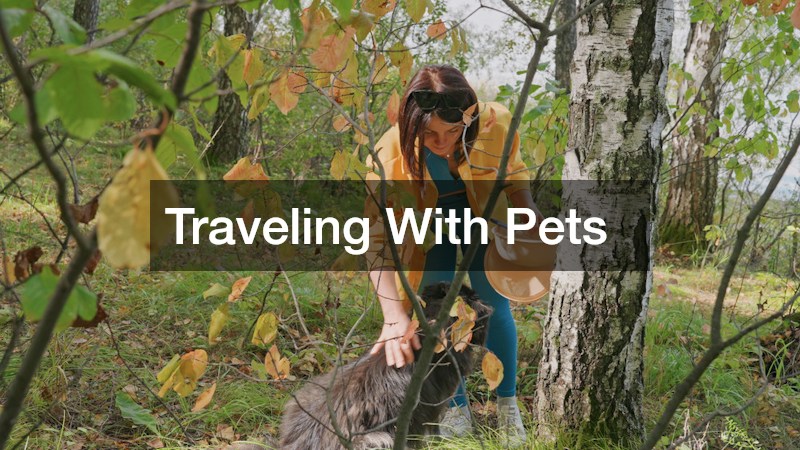
Many families love including their dogs in camping trips, but not every campground or trail is pet-friendly. Before booking, confirm the property’s pet rules, leash requirements, and any restrictions on where animals may go. Review the route for suitable walking breaks and bring enough food, water, waste bags, medication prescribed for your pet, and familiar bedding. Cooler temperatures can be comfortable for some dogs, but needs vary by age, size, coat, and health. Keep pets warm and dry, and never leave an animal unattended in a vehicle or exposed to unsafe weather conditions.
If your family cannot bring a pet on every part of the trip, plan ahead for appropriate care rather than leaving arrangements until the last minute. A reputable dog boarding service may be an option if the campground does not allow pets or if certain activities are unsuitable for your animal. Check vaccination and reservation requirements, ask about daily routines, and provide clear information about feeding, medications, and emergency contacts. Choosing care in advance gives you time to ask questions and helps ensure your pet’s needs are addressed while the family is away.
Plan a Fishing Outing Everyone Can Enjoy
Fishing can be a relaxing way to spend part of an October camping trip, especially when a campground is near a lake, river, or stocked pond. Before heading out, review local fishing regulations, seasonal restrictions, license requirements, and any rules governing bait or catch limits. Conditions may be different from those in summer, so check the forecast and prepare for chilly mornings near the water. Bring appropriately sized equipment, a small tackle kit, water, snacks, warm layers, and life jackets when fishing from a boat or in a location where they are required or advisable.
For a family with limited fishing experience, a fishing guide may help make the outing more informative and enjoyable. A knowledgeable guide can explain local conditions, demonstrate appropriate techniques, and help participants understand the area’s fishing rules. Before booking, ask about the trip’s length, age recommendations, equipment availability, safety procedures, and what happens if the weather becomes unsuitable. A guided outing can also be a good way for children to learn patience, observation, and respect for the natural environment.
Find Practical Options for Extra Space and Equipment
Not every family owns all the equipment needed for a fall camping trip. Rather than buying items that may be used only once or twice, consider borrowing from friends, checking local outdoor recreation programs, or renting appropriate gear. Tents, sleeping pads, extra chairs, and specialized equipment may be available through outdoor retailers or community organizations. Check the condition of any borrowed or rented gear before leaving, and make sure everyone knows how it works. Having the right equipment can make camping more comfortable without creating unnecessary expense or storage demands at home.
For larger trips, a trailer rental may be worth considering if your family needs to transport bulky gear and your vehicle is properly equipped to tow it. Compare the rental cost with other transportation options and confirm the trailer’s size, load capacity, hitch requirements, and insurance conditions. Ask whether the rental includes safety chains, working lights, and other required equipment, and verify that the driver is comfortable towing it. If your vehicle is not rated for the load, choose a different arrangement rather than exceeding its limits.
A cozy October camping trip does not need a packed itinerary or expensive equipment to be meaningful. Choosing a suitable campground, preparing your vehicle, packing warm layers, and planning activities for the whole family can make the experience smoother and more enjoyable. Whether you spend your days walking through colorful forests, learning to fish, exploring a nearby lake, or simply relaxing together at the campsite, the most important part is making room for shared experiences.