 By
By 
Moving to a new home is one of the most exciting milestones a person or family can experience. It represents a fresh start, a new neighborhood, and a blank canvas to design your living space exactly how you want it. However, packing up your entire life into cardboard boxes can quickly become one of the most stressful events you will ever face. The sheer volume of items hidden inside your closets, cabinets, and garage can feel completely overwhelming when it comes time to organize them for transit.
Without a strategic timeline and a clear organization plan, moving day often turns into a chaotic rush filled with broken items, lost paperwork, and unexpected costs. The secret to a successful, low-stress relocation is not working harder on the final day, but rather planning smarter in the weeks leading up to it. By breaking the enormous task of moving down into small, manageable weekly goals, you can take total control of the process. This comprehensive guide will provide you with a practical blueprint to organize your belongings, protect your fragile items, and match your unique moving needs with the best external support systems available. With the right strategies in place, you can ensure a smooth transition and walk through your next front door relaxed and ready to celebrate.
Establish a Timeline: Decluttering and Setting Up Your Weekly Checklist
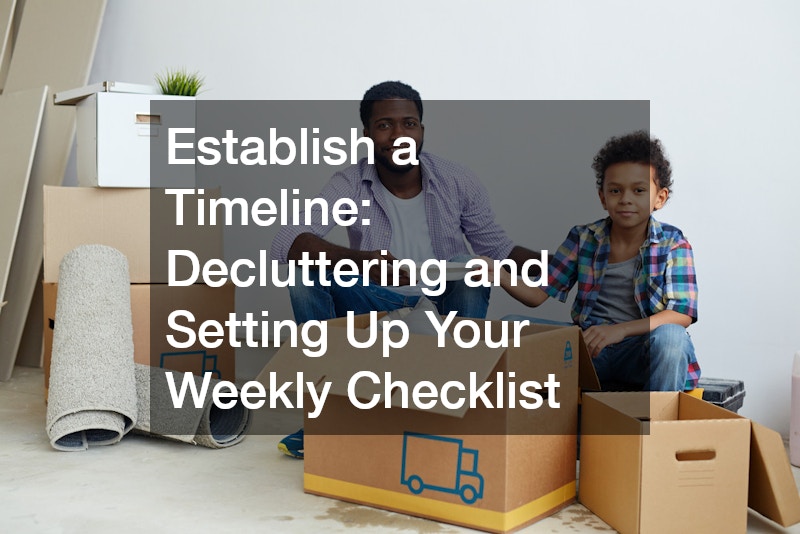
The foundation of a seamless move begins at least six weeks before the actual packing starts. The biggest mistake you can make is trying to move every single item you currently own into your new home. Before you purchase your first roll of packing tape or bundle of cardboard boxes, you must systematically declutter every room in your house. Go through your closets, drawers, attic, and garage, and sort your items into three distinct categories: things to keep, things to donate, and things to throw away.
Reducing the overall volume and weight of your household possessions will directly lower your final transportation costs and save you hours of exhausting packing time. Once you have narrowed down your belongings, create a master moving binder. This binder will act as your central command center, holding all your physical estimates, utility shut-off confirmations, receipts, and real estate contracts in one secure, easily accessible place.
As you build your weekly schedule, you must also consider how your physical belongings will travel to your next destination. Securing your relocation help well in advance is essential, especially if you plan to move during the busy summer months or over a holiday weekend when corporate schedules fill up quickly. Taking the time to research regional moving companies will help you find a reliable crew that fits your budget and timeline.
If you are handling a straightforward relocation within the same city or county, booking a professional local mover early ensures you secure an experienced team that understands the local neighborhood regulations, parking restrictions, and traffic patterns. Locking in these dates early eliminates last-minute panic and allows you to focus on the day-to-day details of organizing your household.
- Set a strict rule to go through one room per day to prevent decluttering burnout.
- Drop off donation items immediately so they do not accidentally end up packed in moving boxes.
- Keep your master moving binder with you at all times during the transition rather than packing it in a truck.
- Plan your utilities to turn off the day after you leave and turn on at the new house the day before you arrive.
Organize Your Logistics: Selecting the Right Transport Options for Your Journey
The distance of your relocation will dictate the specific logistics and transportation options you need to choose. If you are staying within a short radius, your primary concern is maximizing the efficiency of truck space to minimize the number of round trips. However, if you are crossing state lines or moving all the way across the country, your logistical strategy must adapt to a long-haul journey.
When moving over a long distance, you cannot simply drive back to your old house to grab a forgotten item. You need to look for transportation providers that feature comprehensive satellite tracking systems so you can monitor your shipment’s precise location in real time as it travels down the highway.
Understanding the financial structure of your transportation contract is also critical to avoiding surprise fees on delivery day. For cross-country relocations, quotes are typically calculated based on the total physical weight of your items and the distance they travel, whereas local moves are usually billed at an hourly rate. To ensure your belongings are fully protected during a major interstate journey, you should rely on certified distance movers who are fully registered with federal transit authorities.
Vetting these large-scale operators ensures your cargo is legally insured against accidental damage or loss across state lines. Working with dedicated long-distance moving services gives you access to large commercial trucks, professional logistics coordinators, and experienced drivers who specialize in securing cargo for thousands of miles of highway travel.
- Request a binding written estimate rather than a verbal quote to ensure your final price does not change.
- Ask if your shipment will be on a dedicated truck or shared with another family’s household items.
- Make sure you receive an official inventory list from the driver before the truck pulls away from your driveway.
- Check the Federal Department of Transportation website to verify the active safety record of your chosen carrier.
Master the Packing Process: Protecting Fragile Items and Organizing Rooms
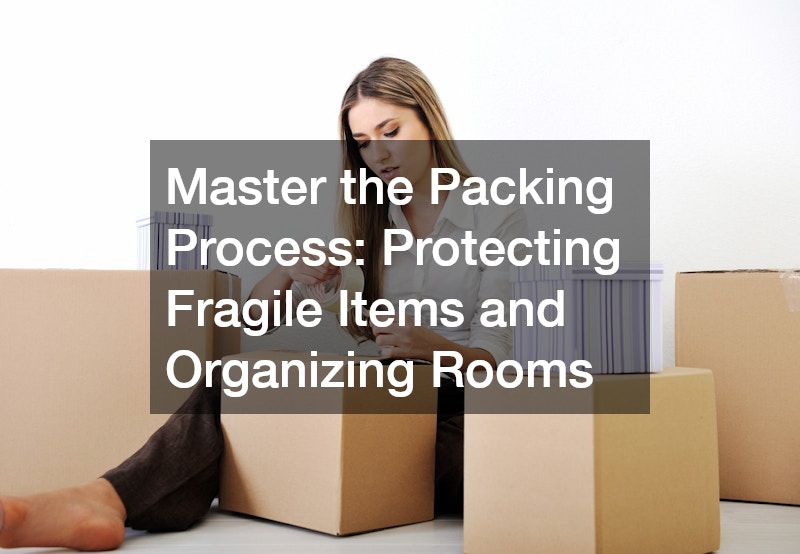
Packing is a science that requires patience, high-quality materials, and a systematic approach to labeling. To keep your unpacking process organized, you should implement a strict color-coded room system. Assign a specific color of heavy-duty duct tape to each room in your new home, such as green for the kitchen, blue for the master bedroom, and yellow for the living room. Apply a strip of this colored tape to the top and sides of every box you pack.
When the delivery truck arrives at your new property, you can place a matching piece of colored paper on the door of each room. This visual system allows workers to instantly identify where every box belongs without having to stop and read your handwriting, which speeds up the unloading process dramatically.
When it comes to protecting your most valuable and fragile possessions, you must invest in proper packing supplies. Never use thin grocery store boxes or old newspaper, as the ink can smear and ruin your delicate items. Instead, use thick, double-walled dish boxes, bubble wrap, and clean white packing paper. Line the bottom of every box with a thick layer of crumpled paper to act as a shock absorber.
For exceptionally heavy, fragile, or high-value items, standard household packing techniques are simply not enough. For instance, if you own a grand or upright piano, the delicate internal strings, wooden casing, and immense weight require specialized mechanical knowledge to transport safely. Coordinating with professional piano movers ensures that specialized cranes, ramps, and custom padding are used to protect your instrument from permanent structural alignment damage. Combining these heavy-duty moving services with a smart packing strategy ensures that your most delicate belongings arrive at your new destination in perfect condition.
- Label the specific contents on the side of the box rather than the top so you can read them when the boxes are stacked.
- Always pack heavy items like books in small boxes and light items like pillows in large boxes.
- Use real towels, blankets, and sweatshirts to wrap fragile items to save money on bubble wrap.
- Stand plates and glass platters vertically on their edges inside boxes rather than stacking them flat.
Coordinate Transitions: Managing Downsizing and Specialty Care Situations

A household move can become significantly more complex when it involves a major lifestyle transition, such as helping an aging parent downsize from a large, long-term family estate into a smaller senior living community or assisted care apartment. This type of relocation requires an immense amount of patience, emotional sensitivity, and specialized care.
When space is limited, you must measure the new floor plan precisely to determine exactly which pieces of furniture will fit comfortably without creating a dangerous tripping hazard. To make this process as smooth and respectful as possible, it is incredibly helpful to hire specialized senior movers. These dedicated professionals are trained to handle the unique emotional and logistical aspects of downsizing, helping older adults sort through decades of sentimental belongings with care and dignity.
In addition to managing delicate family transitions, you also need to think about the physical mechanics of transporting your largest, bulkiest items. Pieces of furniture like multi-sectional couches, heavy solid-wood armoires, and oversized dining tables can easily cause personal injury or damage your drywall if they are not handled correctly.
Before moving day, take the time to disassemble whatever you can, removing table legs, glass shelves, and bed frames. Keep all the matching screws and brackets inside a labeled plastic bag and tape it securely to the furniture frame. For the back-breaking work of carrying these massive items up and down tight stairwells, relying on an experienced furniture mover is the best way to protect your physical health and ensure your doorways, walls, and banisters remain free of ugly scratches and dents.
- Create a miniature visual floor plan of the new home to help seniors visualize where their favorite items will sit.
- Pack a separate box for sentimental photo albums and keepsakes so they stay close to the family during travel.
- Wrap large mattresses in thick plastic storage bags to keep them clean during the loading and unloading process.
- Remove the cushions from your couches and wrap the main frame in protective moving blankets before lifting.
Use Flexible Holding Solutions: Balancing Storage and Staggered Timelines

One of the most common challenges during a household relocation is a gap in timing. Sometimes, you are required to move out of your current home before your new property is fully ready for occupancy due to real estate closing delays, apartment lease schedules, or ongoing home renovations. When your moving timelines do not align perfectly, you need a flexible holding strategy to keep your belongings secure.
Instead of rushing into a stressful double-move where you unload everything into a traditional warehouse only to reload it a week later, you can look for professional storage services that offer seamless integration with your transport schedule. This allows your packed container to be held in a secure, climate-controlled environment until your new front door is ready to open.
For families who prefer to pack at their own pace over several weeks rather than dealing with the rush of a single moving day, portable units offer an excellent alternative to traditional trucks. You can rent heavy-duty mobile storage containers that are delivered directly to your front driveway or curbside parking space.
This setup allows you to load your furniture and boxes slowly, room by room, as you finish packing them. Once the container is full, the company picks it up and drives it directly to your new home or holds it at their facility. Finally, as you load your containers, remember to pack a dedicated first-night essentials bag for your family. This bag should stay in your personal car and contain pajamas, basic toiletries, phone chargers, a change of clothes, and simple hand tools so you can survive your first night in the new house comfortably without opening a single sealed box.
- Utilize drop-off container solutions if you want to avoid the stress of driving a massive commercial moving truck.
- Ensure your portable container is loaded evenly from front to back to prevent items from shifting during transport.
- Keep your path to the container clear of debris and ice to ensure total safety during the loading process.
- Put your toilet paper, paper towels, and trash bags at the very top of your essentials box for immediate access.
Conclusion
Successfully executing a household move does not require good luck; it requires an organized plan and a realistic schedule. By breaking down the massive project of relocation into clear, manageable steps—like decluttering early, implementing a color-coded labeling system, and mapping out your distance logistics—you can completely eliminate the anxiety and chaos of moving day.
Remember to assess your physical limits honestly, and never hesitate to bring in specialized transport, packing, or storage support when dealing with heavy furniture, fragile instruments, or complex family transitions. Take a few minutes today to print out a blank calendar and establish your six-week moving timeline. By taking charge of your moving strategy right now, you can protect your belongings, preserve your peace of mind, and step into your brand-new home ready to build wonderful memories.